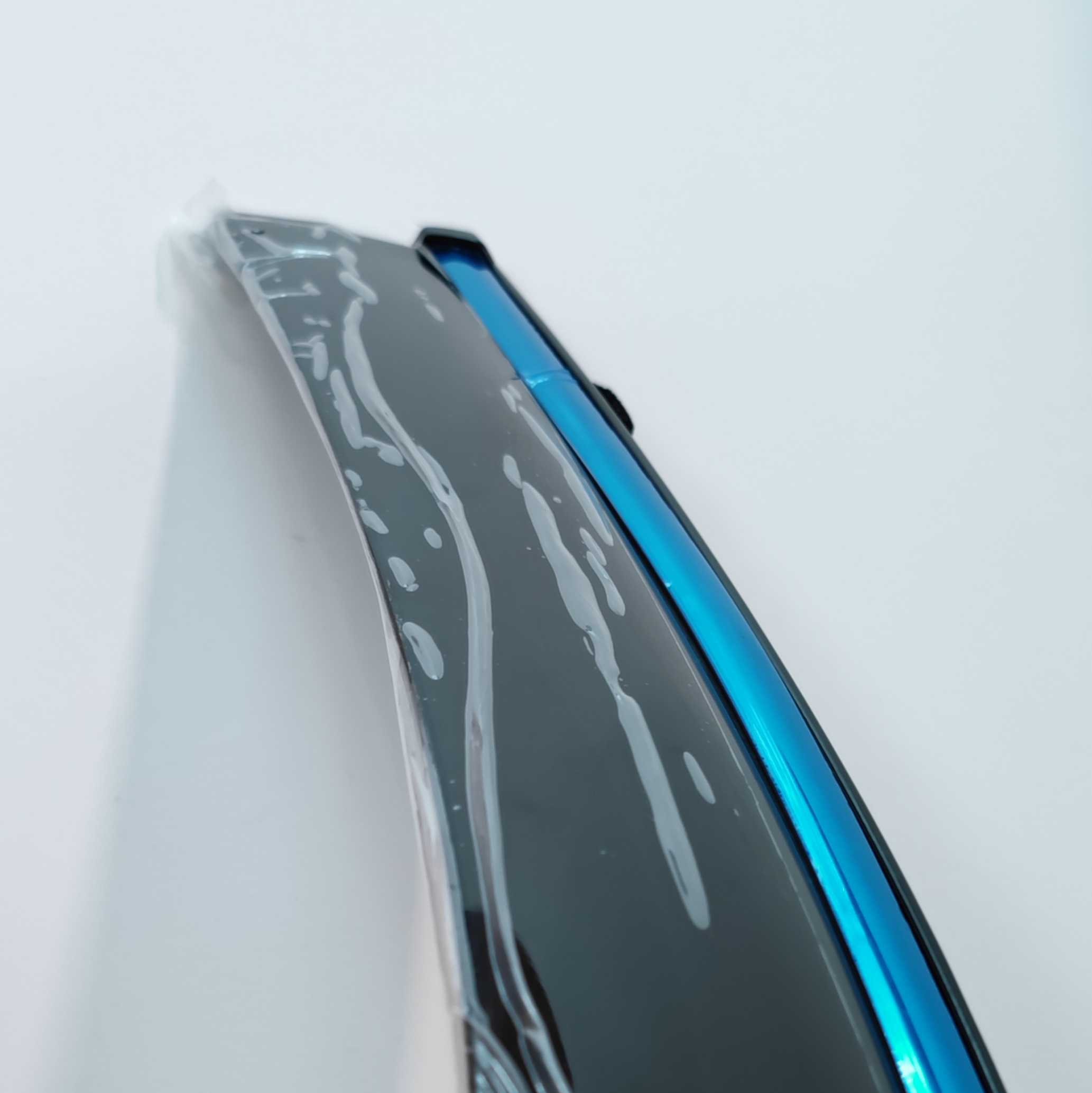
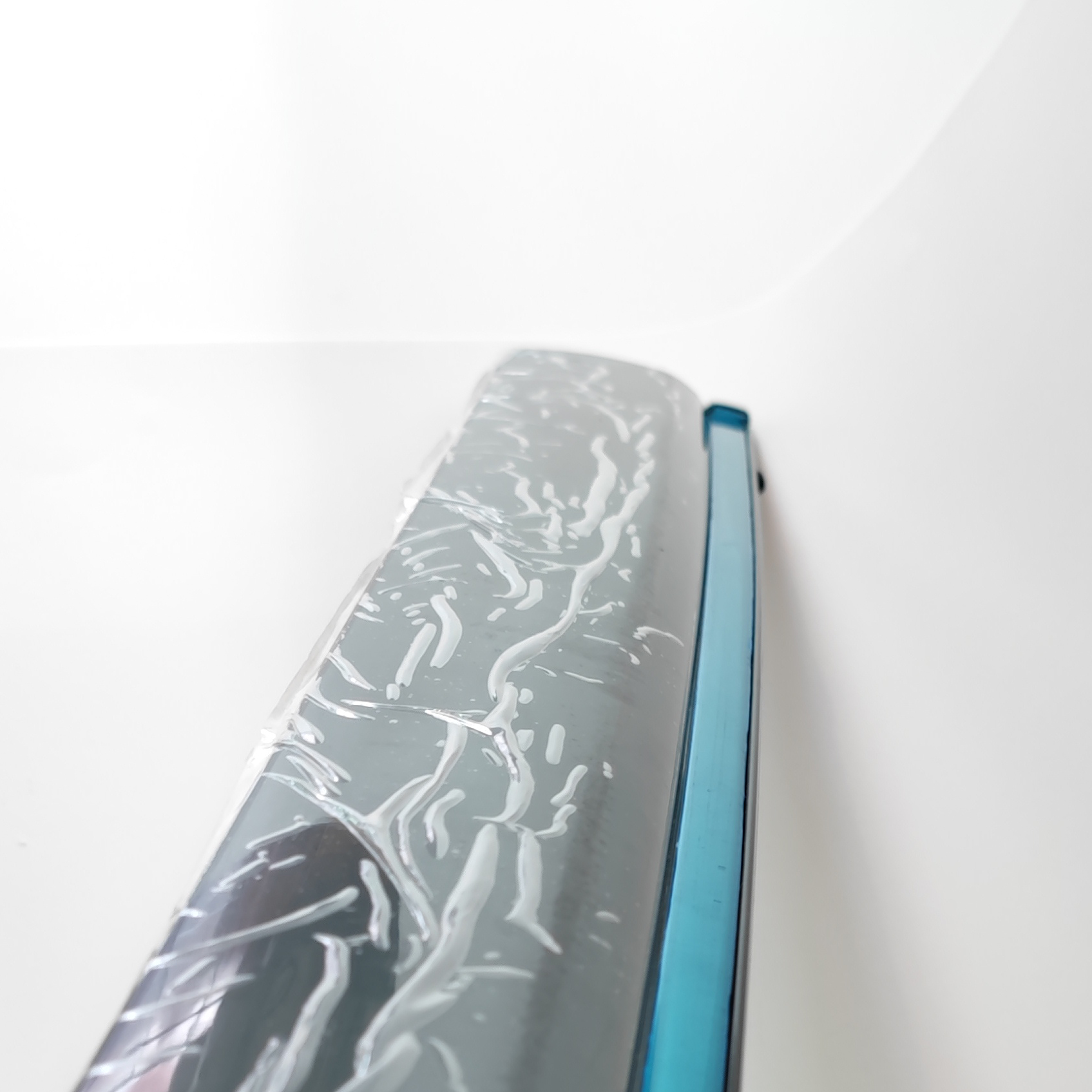
Renault Master Door Visors – Side Window Wind Deflectors for European Commercial Vans
The Renault Master is one of Europe's most established light commercial vehicles (LCV), spanning three generations from 1997 to the present. Built on the Renault-Nissan alliance platform, the Master is sold globally — with a particularly strong presence in France, the UK, Germany, Italy, Spain, Turkey, and across North Africa and the Middle East. It is also widely rebadged as the Opel/Vauxhall Movano (Europe and UK), Nissan NV400 (global), and Nissan Interstar (certain markets). The heavier-duty Renault Mascott variant (1999-2013) shares the same front cabin structure and door frame geometry as the 1st-Gen Master.
AutoBridge supplies door visors (also called vent visors, rain guards, side window wind deflectors) precision-engineered to the Master's front door window channel and frame geometry. Our visors cover all three generations of the Master, including both Phase 1 and Phase 2 facelifts within each generation, as well as the Mascott variant.
Fitment Coverage
1997-2010 Master 1st-Gen – Panel van, chassis cab, crew cab, and minibus body styles; shared platform with Opel Movano A (1999-2010) and Nissan Interstar (2002-2010); Phase 1 (1997-2003) and Phase 2 facelift (2003-2010) share the same front door window aperture
1999-2013 Renault Mascott – Heavy-duty commercial variant (3.5T-6.5T GVW) based on the 1st-Gen Master platform; identical front cabin door geometry to the 1st-Gen Master; independent fitment chip on this product page
2010-Present Master 2nd-Gen – All-new platform, wider front track and larger cabin; shared with Opel/Vauxhall Movano B (2010-2021) and Nissan NV400 (2010-2021); Phase 1 (2010-2014), Phase 2 facelift (2014-2019), and Phase 3 facelift (2019-2024) all retain the same front door window aperture; compatible with the 3rd-Gen Master / Master E-Tech (2024-Present) front doors based on shared tooling — confirm at order stage for 2024+ "Aerovan" units with redesigned front fascia
Why Master Fleet Operators Choose Aftermarket Door Visors
For commercial fleet operators across Europe, door visors are a low-cost add-on that significantly improves daily driving comfort. In France, the UK, and Germany, couriers and delivery drivers spend 6-10 hours per day behind the wheel — the ability to crack open the driver's window for fresh air during light rain without water entering the cabin directly reduces driver fatigue. In Southern Europe (Spain, Italy, Turkey) and the Middle East, door visors allow drivers to park with windows slightly open during summer, keeping the cabin 5-10 degrees cooler before the air conditioning takes effect. In North and West Africa, the dusty unpaved access roads common around construction sites and logistics depots make window-down driving without dust ingress a daily operational requirement. For ambulance converters across Europe and the UK, door visors are frequently specified as part of the upfitting package to allow natural ventilation in the driver compartment during patient loading and unloading in wet conditions.
Wheelbase & Body Variant Compatibility
The Master's front door assembly — including the window frame, door aperture, and B-pillar clearance — is identical across SWB, MWB, LWB, and Truck (chassis cab) wheelbase variants within each generation. Front door visors are therefore universal across all Master body styles of the same generation. For crew cab and minibus variants with second-row sliding or hinged doors, rear door visors are subject to door type; confirm rear door configuration at order stage. The Renault Mascott, despite its heavier GVW rating, uses the same front cabin shell as the 1st-Gen Master, making the 1st-Gen Master front door visors directly applicable.
Installation Notes for Renault Master Door Visors
Pre-Install: Confirm Your Generation and Variant
Before installation, confirm your Master's generation from the registration year and visual identifiers:
1997-2010 (1st Gen) – Rounder front fascia with split headlights; shared cabin with Opel Movano A and Nissan Interstar. Also covers Renault Mascott (1999-2013) front doors.
2010-2024 (2nd Gen) – Squarer front fascia with single-piece headlights; shared cabin with Opel/Vauxhall Movano B and Nissan NV400. All three Phase facelifts (2010/2014/2019) use the same front door window aperture.
2024-Present (3rd Gen / "Aerovan") – Completely redesigned aerodynamic front with full-width LED light bar; door visor fitment for the new-generation Master is still under confirmation — contact AutoBridge before ordering for 2024+ units.
Mounting Method Selection for Commercial Use
Tape-On (3M VHB): Adheres to the exterior door frame surface above the window. Recommended for fleet Master units in European and Middle Eastern markets — provides the strongest hold against highway-speed wind load and car-wash brush pressure. Requires 24-hour cure time before washing.
In-Channel: Slides into the upper window channel rubber seal without adhesive. Preferred by lessors and rental fleet operators who may need to remove visors at lease-end. Not recommended for Master units with worn or hardened window channel rubbers (common on high-mileage 1st-Gen units over 200,000 km).
Clip-On: Mechanical clip attachment between window glass and door frame rubber. Suitable for Masters used in seasonal fleets where visors need to be installed and removed periodically. Less resistant to automatic car wash than tape-on.
Climate-Specific Tips for Fleet Applications
Northern/Central Europe (UK, Germany, Benelux, Scandinavia): Pre-heat the door frame surface with a heat gun (40-50°C) before tape-on application during winter months (November-February) — 3M VHB adhesive requires a minimum surface temperature of 15°C for proper bonding.
Southern Europe / Middle East (Spain, Turkey, UAE, Saudi Arabia): After tape-on installation, park the vehicle in shade for 24 hours — direct summer sun on a hot Master roof panel can cause the door frame surface to exceed 60°C, prematurely softening the adhesive before full cure.
North Africa / Dusty Environments: Pre-clean the door frame with isopropyl alcohol to remove fine desert dust and road grime before adhesive application. Standard soap-and-water cleaning may not fully remove microscopic dust particles that compromise long-term adhesion.
Body Variant Considerations
Panel Van & Chassis Cab: Front door visors are universal across all wheelbase variants. Rear cargo area windows (if fitted) may require separate visor specifications — Master panel vans are commonly ordered without rear side windows, making rear visors optional.
Crew Cab & Minibus: Rear passenger door visors depend on door type — hinged doors vs sliding doors within crew cab configurations. Confirm rear door arrangement at order stage.
Ambulance / Camper Van Conversions: Third-party upfitting may involve modified window frames or added insulation near the door aperture. Ensure the door frame mounting surface is accessible and unobstructed before ordering tape-on visors.