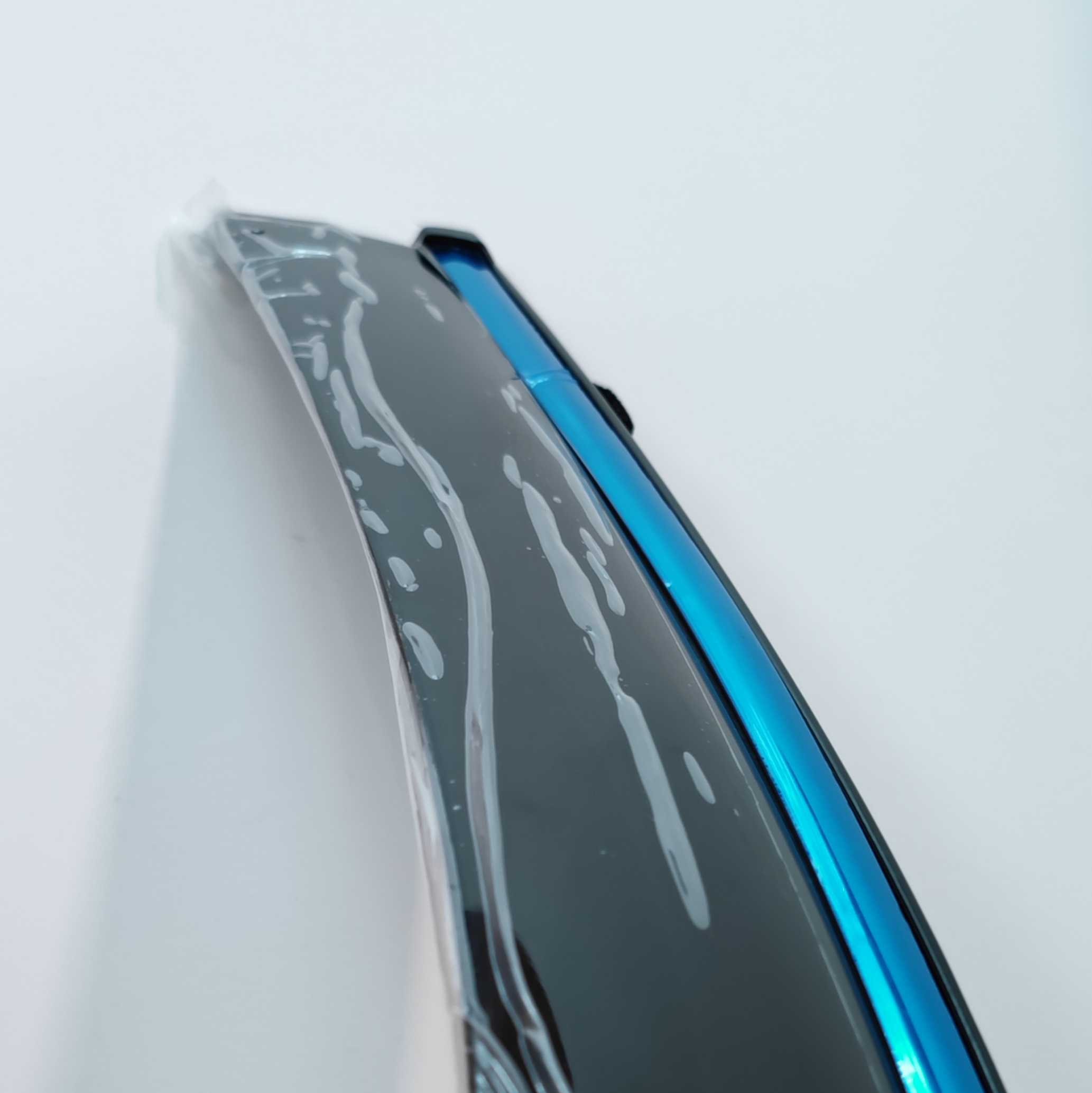
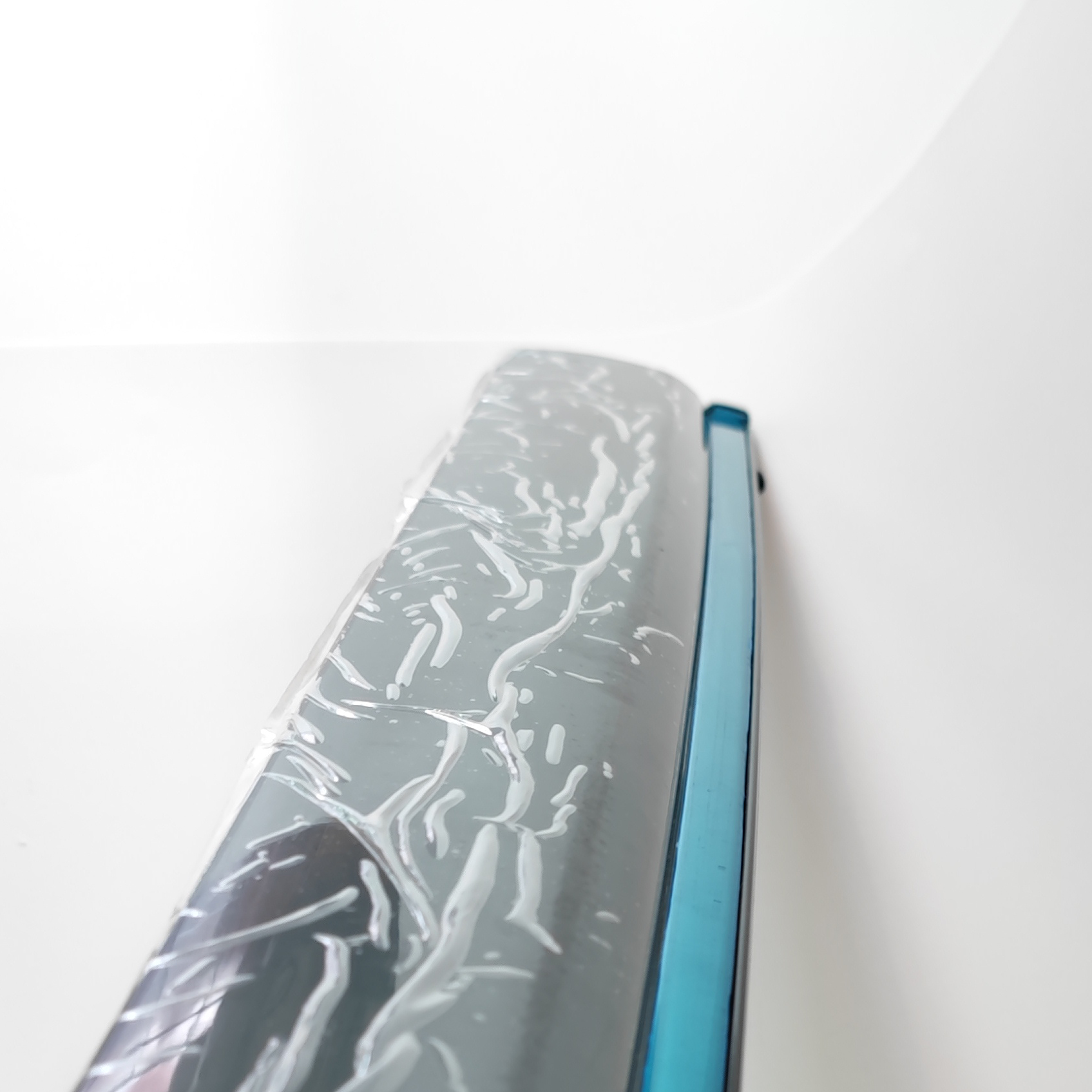
Daihatsu Mira L700 5th-Generation (2001-2007) Door Visors — Application Overview
The Daihatsu Mira L700 is the 5th-generation kei-class hatchback produced by Daihatsu from 2001 to 2007, available in both 3-door and 5-door body styles. The L700 was the first Mira generation to be rebadged globally: as the Daihatsu Cuore in Europe, the Perodua Kelisa in Malaysia, the Daihatsu Domino in early JDM catalogues, and the Handi/Handivan commercial variant in Australia. New production ended in 2007 — surviving vehicles are now exclusively supplied through the used-car export channel from Japan to the Caribbean, East Africa, Southeast Asia, and Pacific Island markets.
Why Mira / Cuore / Kelisa Owners Source Aftermarket Door Visors
The L700 is used across three distinct owner profiles, each with specific venting and restoration requirements:
JDM kei car restoration enthusiasts (Japan domestic + UK / Australia / New Zealand): Restorers sourcing parts for low-mileage second-hand L700s that have aged out of OEM parts availability. Aftermarket door visors match the L700 narrow door frame geometry without the cost of NOS (new old stock) Daihatsu originals.
Used-car export distributors (Caribbean, East Africa, Pacific Islands, Central Asia): Wholesale buyers of used Japanese kei cars (Jamaica, Trinidad, Guyana, Bahamas, Kenya, Tanzania, Fiji, PNG, Kazakhstan) sourcing aftermarket accessories to refurbish export-bound inventory. The Mira is one of the most-shipped kei cars globally due to its 660cc engine size fitting the kei tax class exemption in many destination markets.
Malaysian Perodua Kelisa owners and aftermarket parts shops (Malaysia, Singapore, Brunei): Owners of the Perodua Kelisa (rebadged L700) sourcing compatible door visors through B2B channels. The L700 door flange geometry is identical to the Kelisa — one SKU covers both.
Kei-Class Specific Considerations
The L700's narrow 660cc-class door frame requires tight-tolerance visors; aftermarket parts not designed for the L700 kei-class geometry may leave gaps or interfere with window operation. The PC and PMMA material grades are recommended for the high-UV Caribbean and equatorial African markets, where standard PS grade degrades rapidly under constant sun exposure.
Daihatsu Mira Door Visors — Material, Installation & Customisation
Material Grades
Mira L700 door visors are produced in three material grades to suit different market positioning:
PP (polypropylene): Economical grade with good impact resistance. The standard choice for used-car export distributors refurbishing budget-tier inventory for the Caribbean and East African markets.
PMMA (acrylic): High optical clarity with UV-stable gloss finish. Recommended for high-UV equatorial markets (Jamaica, Trinidad, Kenya, Fiji) where prolonged sun exposure is the dominant concern.
PC (polycarbonate): Maximum flexibility, bendable by hand, and highest impact resistance. Recommended for high-temperature export destinations (Middle East, equatorial Africa) and for fleet buyers requiring durability under heavy use.
All variants use high-adhesion automotive-grade tape that withstands automated car wash systems.
Kei-Class Door Frame Geometry
The L700's narrow door frame is a critical fitment constraint — visors designed for larger Daihatsu models (e.g. Terios, Tanto) do not transfer to the Mira. This SKU is engineered specifically to the L700 kei-class door flange geometry, with a low-profile lip that maintains the factory styling of the Mira's compact greenhouse.
Installation Methods (OEM Customisation Available)
Tape-on: Most common for L700 applications; uses 3M-equivalent high-bond acrylic foam tape. Pre-applied or supplied separately.
In-channel: Sits inside the window channel for the cleanest appearance. The L700's narrow channel requires tight-tolerance in-channel inserts; available on request.
Clip-on: Uses existing L700 window flange clips. Confirmed compatible with both 3-door and 5-door variants.
Out-channel: Combined with rubber seal channel for older or weathered L700 doors. Often preferred for the Handi/Handivan commercial variant.
Customisation: Buyers may specify injection-moulded or vacuum-formed tooling; new mould opening is available for exclusive Mira L700 SKU development (e.g. Perodua-branded variants for Malaysian distribution).
Daihatsu Mira (L700) 5th-Gen Fitment & Compatibility
Model Year Coverage
This SKU covers the entire L700 5th-Generation Mira production run (2001-2007):
2001-2003 (Pre-facelift): L700 chassis code, EJ-VE 658cc VVT-i engine (post-2001 facelift) or ED-DE 847cc engine (some markets, non-kei export)
2004-2007 (Facelift and final years): L700 chassis code, EJ-VE engine retained; final Mira L700 units produced in 2007 ahead of L250/L260 replacement
Both pre-facelift and facelift L700 models share the same door flange geometry — one SKU fits all.
Body Style Fitment
✅ 5-Door Hatchback: Front doors + Rear doors (4-piece set) — the most common L700 body style
✅ 3-Door Hatchback: Front doors only (2-piece set) — confirmed compatible with 3-door L700 door frame
❌ Mira Custom (sport trim): Same door frame as standard 5-door — compatible, but the Mira Custom's body kit requires confirmation that the visor contour does not interfere with the side skirt
❌ Mira Gino (retro derivative): Gino is primarily L250/L260 platform, not L700 — do not assume fitment; refer to separate Mira Gino SKU if available
Rebadged Variant Compatibility
The L700 door flange geometry is shared across the following rebadged variants — one SKU covers all:
✅ Daihatsu Cuore (Europe 2001-2007, EU markets including Germany, France, UK, Italy, Spain, Netherlands) — identical door frame to L700
✅ Perodua Kelisa (Malaysia 2001-2007, also exported to Singapore, Brunei, Indonesia) — identical door frame to L700
✅ Daihatsu Handi / Handivan (Australia, commercial 3-door variant) — same door frame, but the commercial 2-seat configuration requires verification of rear panel
✅ Daihatsu Domino (early Japanese domestic catalogues) — same door frame as L700
Market-Specific Material Recommendations
Caribbean (Jamaica, Trinidad, Bahamas, Guyana): PMMA recommended for UV stability.
East Africa (Kenya, Tanzania, Uganda): PC recommended for high-temperature flexibility.
Pacific Islands (Fiji, PNG, Samoa): PP standard, PMMA for premium tier.
Central Asia (Kazakhstan, Uzbekistan): PP standard, cold-climate PC option for winter.
Malaysia / Singapore / Brunei (Perodua Kelisa): PMMA for tropical clarity.